
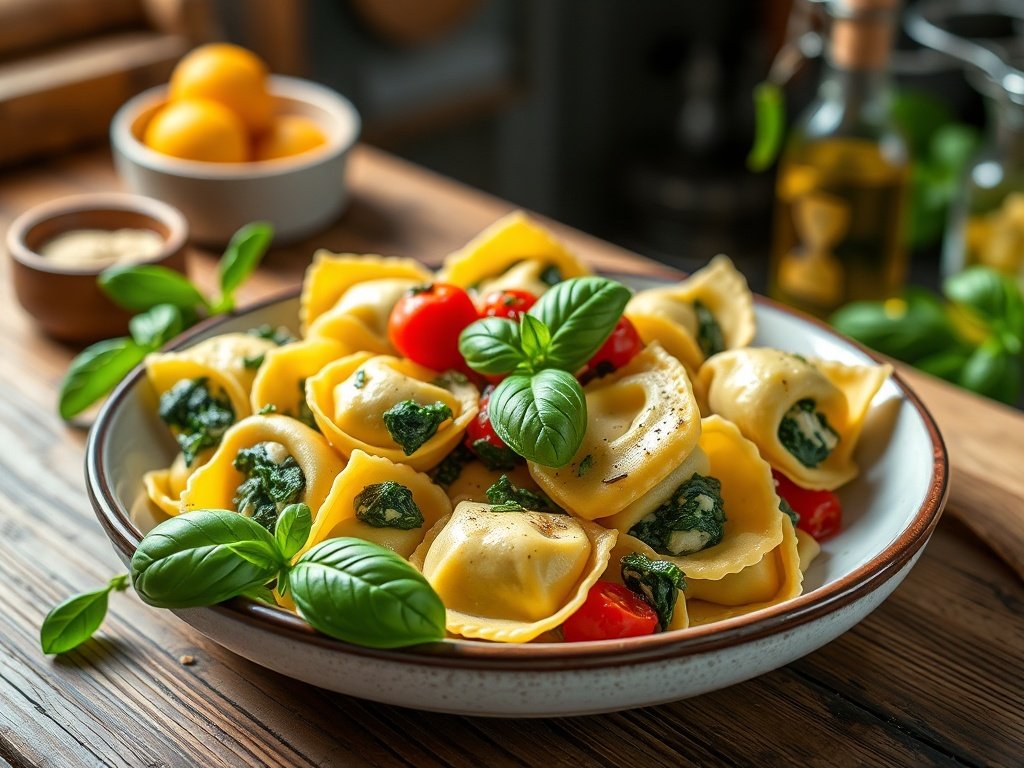
Mannacote pasta (often referring to Manicotti) is a classic Italian stuffed pasta dish. Large pasta tubes are filled with a creamy mixture of cheese, meat, or spinach, then covered with tomato sauce and baked until golden and bubbly. It’s a comforting, flavorful meal popular in Italian cuisine and perfect for family dinners or special occasions.
What Is Mannacote Pasta?
Mannacote pasta is a type of Italian pasta that is known for its large, tube-shaped form and its ability to hold rich fillings. It is commonly used in baked pasta dishes where the tubes are stuffed with ingredients like cheese, meat, or vegetables and then covered with sauce and baked in the oven. The name is often associated with the Italian dish Manicotti, which means “little sleeves” in Italian.
This pasta is usually paired with sauces such as Marinara sauce or Béchamel sauce, making it a hearty and comforting meal. Because of its hollow shape, mannacote pasta is perfect for stuffing with mixtures like Ricotta, spinach, and herbs.
Today, mannacote pasta is popular not only in Italy but also in many other countries where Italian cuisine is enjoyed. It is especially loved for family dinners and special occasions because of its rich flavor and satisfying texture.
Origins and History of Mannacote
Mannacote pasta has its roots in northern Italy, where families perfected stuffed pasta recipes over generations. Each region developed unique filling styles, reflecting local produce and culinary traditions. Historically, Mannacote was a festive dish, reserved for special occasions due to the labor-intensive preparation. Today, it’s celebrated worldwide, appearing in both traditional and modern Italian cuisine. Understanding its history enriches the cooking experience, providing insight into why certain fillings, shapes, and cooking methods became standard practices in Italian households.
Essential Ingredients for Authentic Mannacote
The key ingredients for Mannacote pasta include fresh pasta dough made with eggs and flour, and fillings such as ricotta cheese, spinach, or seasoned meat. Optional ingredients like Parmesan, herbs, and garlic enhance flavor.
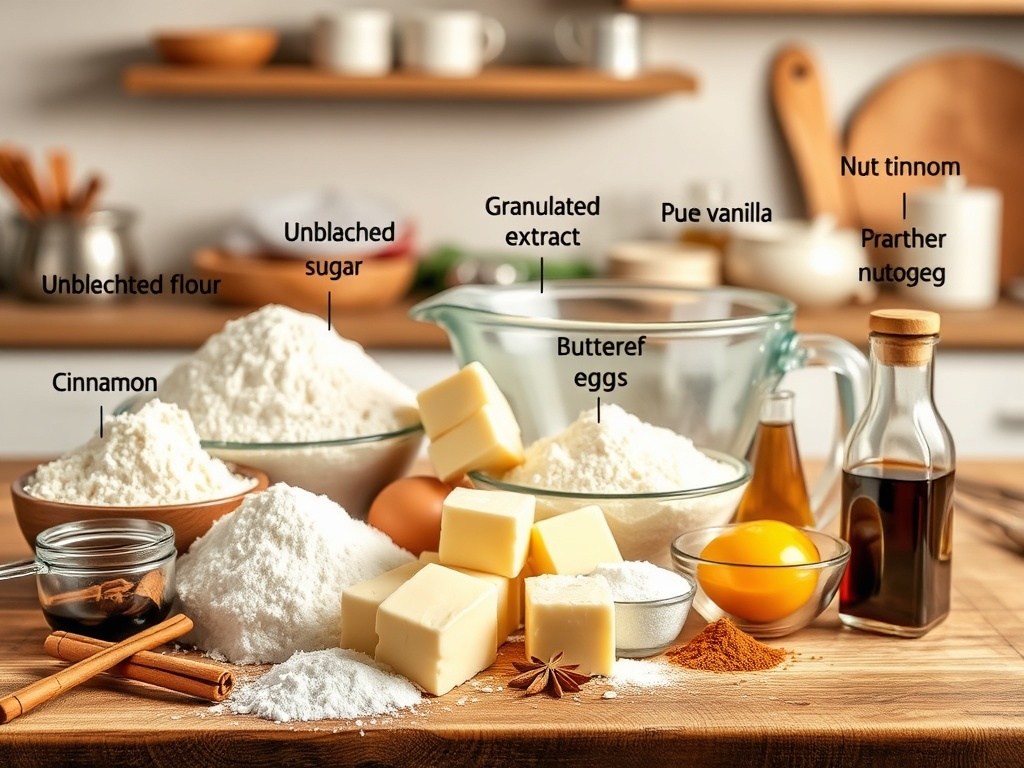
Quality ingredients make a significant difference: fresh, high-protein flour ensures elasticity, while fresh cheese or vegetables guarantee vibrant taste. Using traditional Italian ingredients preserves authenticity and improves texture, making the pasta tender yet sturdy enough to hold the filling without breaking during cooking.
Step-by-Step Mannacote Recipe
To prepare Mannacote pasta, start by rolling the fresh dough thinly. Cut the dough into squares or circles, place your filling in the center, and fold carefully to seal edges. Boil in salted water until al dente, typically 3–5 minutes depending on thickness. Drain gently and serve immediately with sauce. Attention to folding and sealing ensures the filling stays intact. With practice, you can achieve consistent shapes and perfectly cooked Mannacote that showcases the filling and pairs beautifully with sauces.
Creative Filling Ideas
Mannacote pasta allows endless filling variations. Classic combinations include ricotta with spinach, or beef with herbs. For gourmet twists, try mushroom and truffle, pumpkin with ricotta, or smoked salmon with cream cheese. Experimenting with flavors keeps the dish exciting while maintaining authenticity. Remember, fillings should be moist but not too wet to avoid leaking during cooking. Balancing textures and seasoning is crucial to create a harmonious bite that highlights both pasta and filling flavors.
Traditional vs Modern Mannacote Recipes
Traditional Mannacote recipes stick to classic cheese, meat, or vegetable fillings, boiled and served with simple tomato sauce. Modern adaptations explore global flavors, like spicy sausage, pesto variations, or vegan alternatives. Both approaches honor the essence of Mannacote while offering room for creativity. Understanding the differences helps home chefs decide whether to follow time-tested methods or experiment with contemporary culinary trends.
Cooking Tips for Perfect Mannacote
Boil Mannacote pasta in ample salted water for 3–5 minutes until al dente. Avoid overcooking to preserve shape and texture. Stir gently to prevent sticking, and use fresh, high-quality ingredients. When adding sauces, toss lightly to coat evenly without tearing. Proper cooking ensures the pasta maintains its integrity and the filling remains flavorful. Timing, water temperature, and gentle handling are key factors that differentiate a good Mannacote from an exceptional one.
Sauces That Complement Mannacote Pasta
Pairing the right sauce enhances Mannacote’s flavor. Classic tomato-based sauces bring acidity and brightness, cream sauces add richness, while pesto or olive oil-based sauces offer herbaceous freshness. Consider filling flavors when selecting sauce: cheese-based fillings pair well with tomato sauces, while meat fillings suit cream-based sauces. Sauce choice elevates the overall dish, balancing texture and taste, and can turn a simple pasta into a restaurant-quality meal at home.
Healthy Mannacote Variations
Health-conscious cooks can modify Mannacote recipes by using whole wheat or gluten-free flour, low-fat cheese, or vegetable-based fillings. Steamed or lightly sautéed ingredients reduce calorie count, while herbs enhance flavor without added fat. These adaptations retain the essence of Mannacote while making it suitable for balanced diets. Eating healthy doesn’t mean sacrificing taste—properly prepared healthy Mannacote can be just as indulgent and satisfying as traditional versions.
Folding Techniques for Perfect Mannacote
Folding Mannacote requires precision: place filling in the center, fold dough edges together, and press gently to seal. Use a fork or fingers to ensure tight closure. Consistent folding ensures uniform cooking and prevents leakage. Practice creates beautifully shaped pasta that looks professional. The folding technique is an art, and mastering it guarantees both aesthetic appeal and functional integrity of the dish.
Also read this: Soutaipasu Secrets: Amazing Health Benefits, Food, and Cultural Insights
Common Mistakes to Avoid
Common mistakes include overfilling, using too wet a filling, under- or overcooking, and improperly sealing edges. These errors lead to broken pasta or leaking fillings. To avoid them, measure fillings carefully, maintain proper dough thickness, and follow cooking times. Paying attention to details preserves both flavor and appearance, resulting in perfect Mannacote pasta that’s enjoyable to eat and impressive to serve.
Regional Differences in Italy
Different Italian regions have unique Mannacote styles. Northern Italy favors cheese and butter-based fillings, while southern regions incorporate tomatoes, herbs, and seafood. These variations reflect local ingredients and traditions.

Exploring regional differences inspires creativity and helps chefs understand cultural influences that shaped Mannacote recipes. Trying different regional styles expands culinary skills and introduces a variety of flavor profiles in the same pasta category.
Pairing Mannacote with Wine and Sides
Pairing Mannacote with wine enhances the dining experience. Light white wines complement cheese and vegetable fillings, while medium-bodied reds pair with meat-based Mannacote. Sides like fresh salad or roasted vegetables provide balance. Understanding pairing principles elevates a simple pasta meal into a gourmet experience. A thoughtful combination of pasta, sauce, and accompaniments creates a harmonious plate that delights all senses.
Storing and Freezing Mannacote
Uncooked Mannacote can be frozen on trays, separated to avoid sticking, then transferred to airtight containers. Cooked leftovers should be refrigerated for up to 2 days and reheated gently. Proper storage maintains texture and flavor, making it convenient for meal prep or future meals. Freezing is ideal for bulk preparation, while careful reheating ensures the pasta remains tender without compromising the filling.
Conclusion
Mannacote pasta is a comforting and flavorful Italian-style stuffed pasta dish that is perfect for family dinners, special occasions, or weekend meals. With its rich cheese filling, savory sauces, and baked golden topping, it delivers a classic taste that many people love. The recipe is also highly versatile, allowing you to experiment with different fillings such as vegetables, herbs, or even meat to suit your preference.
Whether you prepare it ahead of time for convenience or serve it fresh from the oven, Mannacote pasta offers a satisfying combination of creamy texture and hearty flavor. By following the tips and techniques in this guide, you can easily create a delicious homemade dish that brings the authentic charm of Italian cuisine to your table.
FAQs – Mannacote Pasta Secrets: Ultimate Italian Stuffed Pasta Recipe Guide
1. What is Mannacote pasta?
Mannacote pasta refers to a stuffed pasta dish similar to manicotti. It consists of large pasta tubes filled with a creamy cheese mixture, usually ricotta, and baked with tomato sauce and melted mozzarella.
2. What ingredients are commonly used in Mannacote pasta?
Typical ingredients include manicotti pasta shells, ricotta cheese, mozzarella cheese, Parmesan cheese, eggs, fresh herbs like parsley or basil, and marinara or tomato sauce.
3. Is Mannacote the same as manicotti or cannelloni?
Mannacote is often considered a variation or alternative pronunciation of manicotti in Italian-American cuisine. Cannelloni is a similar Italian dish made with pasta tubes that are also stuffed and baked.
4. Do I need to cook the pasta before stuffing it?
In most recipes, the pasta should be boiled until slightly firm (al dente) before stuffing. However, some oven-ready pasta shells can be filled without pre-boiling.
5. Can Mannacote pasta be made vegetarian?
Yes, Mannacote is naturally vegetarian when filled with cheese and vegetables. Ingredients such as spinach, mushrooms, zucchini, or roasted peppers can be added to the filling for extra flavor.
6. What sauce works best with Mannacote pasta?
Marinara or classic tomato sauce is the most popular choice. Some recipes also use Alfredo sauce or béchamel sauce for a richer and creamier taste.
7. Can Mannacote be prepared ahead of time?
Yes, the dish can be assembled several hours or even a day in advance. It can be stored in the refrigerator and baked just before serving.
For moer info: streetmaginsider.com
