
Nahttypen, or seam types, are essential techniques in sewing and textile design that join fabric pieces together. They vary from simple straight seams to complex decorative or specialty seams. Choosing the right Nahttypen ensures garment durability, aesthetic appeal, and fabric performance, while avoiding mistakes like puckering or weak stitching improves overall sewing quality.
Nahttypen, meaning seam types in German, are fundamental in both sewing and textile design. Understanding these seams helps you create professional-quality garments, enhance fabric longevity, and add decorative effects. This guide covers basic, decorative, and specialty seams, along with practical tips for choosing the right seam for different fabrics. By exploring Nahttypen step-by-step, beginners and advanced sewers alike can master sewing techniques, prevent common mistakes, and apply seams effectively in real-world projects. With examples and maintenance advice, this article serves as a complete resource for anyone looking to elevate their sewing skills using proper seam types.
Introduction to Nahttypen: The Basics of Seam Types
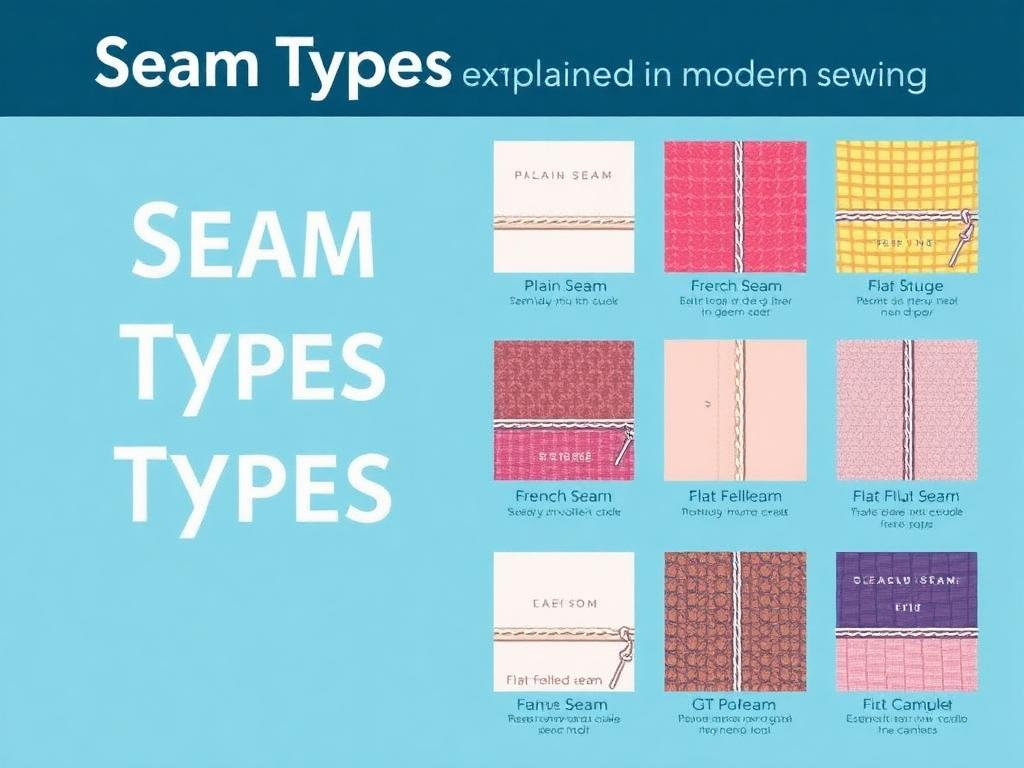
Nahttypen are the foundation of sewing, determining how fabric pieces are joined together. They range from simple straight seams to reinforced or decorative seams. Each type serves a purpose—some provide strength, others improve appearance, while some allow flexibility for stretch fabrics. Understanding Nahttypen is crucial for beginners learning sewing techniques and for experienced designers creating professional garments. Common terms include plain seam, French seam, and overlocked seam, each suitable for different fabrics. Correctly selecting and executing Nahttypen ensures garments are durable, neat, and aesthetically pleasing. For example, lightweight fabrics like chiffon benefit from French seams to prevent fraying. In contrast, heavy fabrics like denim require reinforced seams for strength. By mastering the basics, sewers can create high-quality pieces that withstand wear and washing.
Different Types of Nahttypen Every Beginner Should Know
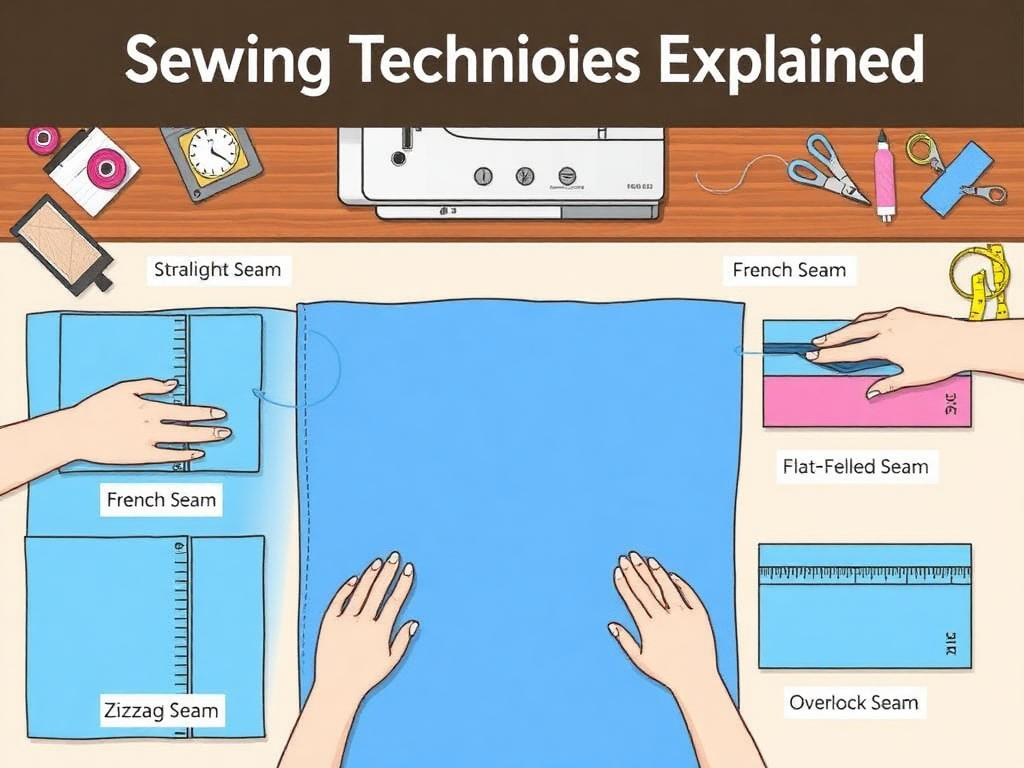
Beginners should start with the most common Nahttypen: straight seam, zigzag seam, and French seam. Straight seams are ideal for basic constructions and are easy to sew on most fabrics. Zigzag seams prevent fraying and add elasticity to stretch fabrics. French seams enclose raw edges for a clean finish, perfect for sheer materials. Specialty seams like flat-felled seams provide durability for denim or workwear. Each seam type affects the garment’s strength, appearance, and comfort. Beginners can practice on scrap fabrics to understand how each Nahttypen behaves. For instance, sewing a French seam on silk requires precision to prevent puckering. Understanding these fundamental seam types builds a foundation for advanced sewing techniques and ensures consistent professional results.
Step-by-Step Guide: How Nahttypen Are Constructed
Constructing Nahttypen requires precision, the right tools, and knowledge of fabric behavior. First, align fabric edges carefully and pin them in place. Use the appropriate stitch length: shorter for delicate fabrics, longer for heavy fabrics. After stitching, press seams with an iron to enhance durability and appearance. Some seams, like French seams, require sewing twice—first to encase raw edges, then to finish the seam neatly. Overlocked seams need a serger for a clean edge and strength. Testing seams on scrap fabric helps avoid mistakes on the final garment. Proper seam construction prevents issues like puckering, stretching, or weak stitching. By following systematic steps, sewers ensure that Nahttypen not only function well but also look professional.
The Science Behind Nahttypen: Why Seams Matter
Seams are more than fabric connections—they influence garment performance. Strong seams enhance durability, while flexible seams improve comfort in activewear. The seam type determines how stress distributes across the garment, preventing tearing or distortion. For example, flat-felled seams distribute tension evenly, ideal for jeans. Decorative seams like topstitching add visual appeal without compromising strength. Knowledge of material properties—woven vs. knit fabrics—guides seam selection. Studies show that garments with well-chosen seam types last up to 30% longer under daily wear. Therefore, understanding the science behind Nahttypen ensures both functional and aesthetic success in sewing projects.
Nahttypen in Modern Textile Design
In modern textile design, Nahttypen are used for both utility and decoration. Designers experiment with visible seams as a stylistic feature, combining traditional techniques with contemporary trends. For example, exposed topstitching in jackets adds texture and visual interest. Technical fabrics require specialized seam types like bonded seams for sportswear or waterproof garments. Nahttypen also influence garment silhouette, drape, and movement. Incorporating modern Nahttypen techniques allows designers to innovate while maintaining structural integrity. Knowledge of contemporary seam applications enhances creativity, ensuring designs are both functional and visually striking.
Decorative Nahttypen: Adding Style and Function
Decorative Nahttypen enhance the garment’s aesthetic without sacrificing strength. Topstitching, piping seams, and embroidered seams are examples. These seams can highlight garment lines, create contrast, or reinforce edges. Designers often combine decorative and functional aspects, such as using reinforced topstitching on denim to strengthen stress points while adding style. Learning decorative Nahttypen expands creative possibilities, allowing sewers to personalize projects and elevate simple garments into designer-level creations.
Specialty Seams: Techniques for Unique Fabrics
Specialty Nahttypen cater to unusual or challenging fabrics. Flat-felled seams are ideal for heavy fabrics, while bound seams prevent fraying in delicate fabrics. Overlocked seams and serging provide neat finishes and flexibility for stretch materials. Waterproof or bonded seams are used in performance apparel. Selecting the correct specialty seam improves garment lifespan and usability. For instance, athletic wear with stretch fabrics benefits from zigzag or serged seams to maintain flexibility and comfort during movement.
How to Choose the Right Nahttypen for Your Project
Choosing the correct seam involves considering fabric type, garment purpose, and design aesthetics. Lightweight fabrics benefit from French or rolled seams, heavy fabrics from flat-felled or reinforced seams. Knits require stretch-friendly seams like zigzag or serged. For decorative garments, topstitching or piping seams add style. Analyzing fabric behavior and intended use ensures durability and professional appearance. Trial and error on scrap fabric often helps confirm the best choice.
Common Nahttypen Mistakes and How to Avoid Them
Common mistakes include uneven stitching, incorrect seam allowance, puckering, or selecting incompatible seams for fabric types. Beginners often sew too tightly on lightweight fabrics or use weak seams on heavy materials. Solutions include careful measuring, pressing seams, using proper stitch length, and testing techniques on scraps. Understanding common errors prevents wasted fabric, enhances garment quality, and improves sewing confidence.
Also read this: Who is Burt Thicke? Full Biography, Career, Family, and Legacy
Maintenance Tips: Making Seams Last Longer
Seam longevity depends on proper construction and care. Press seams after sewing to flatten stitches and prevent distortion. Reinforce stress points like armholes and waistlines. Wash garments according to fabric type and avoid harsh detergents that weaken threads. For specialty seams like decorative or bonded seams, follow manufacturer recommendations. Regular inspection and minor repairs maintain seam integrity, extending garment life.
Nahttypen in Clothing: Real-Life Applications
Nahttypen influence garment strength, comfort, and appearance across clothing types. Denim jeans often use flat-felled seams for durability, while chiffon blouses benefit from French seams to prevent fraying. Athletic wear relies on stretch-friendly seams, and decorative topstitching enhances jackets or bags. Applying appropriate seam types ensures garments withstand usage, maintain shape, and appear polished. Real-world examples demonstrate the critical role of Nahttypen in everyday apparel.
Seam Strength: Which Nahttypen Hold Up Best
Seam strength varies by type. Flat-felled seams are the strongest for heavy fabrics, French seams protect delicate materials, and reinforced topstitching adds durability to high-stress areas. Testing seam strength under tension or washing conditions guides selection for specific projects. Using the right stitch length, thread type, and seam finish ensures optimal results.
Troubleshooting Nahttypen Issues in Sewing Projects
Sewers often face issues like seam puckering, thread breakage, or misalignment. Solutions include adjusting tension, using appropriate needles, and stabilizing fabric with interfacing. Pre-testing on scraps prevents errors on final garments. Recognizing problem patterns and applying corrective techniques improves efficiency and quality.
Innovative Nahttypen Trends in Fashion and Design
Modern trends include exposed seams as design features, combination seams for texture, and eco-friendly bonded seams in sustainable fashion. Technology-driven seams for technical fabrics, like waterproof or heat-bonded seams, are increasingly common. Staying updated with innovative Nahttypen techniques helps designers remain competitive and creative in a fast-evolving textile industry.
Final Thoughts: Mastering Nahttypen for Professional Results
Mastering Nahttypen enhances garment quality, durability, and style. Understanding basic, decorative, and specialty seams, combined with proper technique and fabric knowledge, ensures professional-level sewing. Beginners and advanced sewers benefit from practicing, experimenting, and applying these techniques to real projects. Explore, innovate, and perfect Nahttypen in your sewing journey. Start experimenting today and elevate your sewing skills to the next level!
FAQs About Nahttypen
1. What is the easiest Nahttypen for beginners?
The straight seam is simplest, ideal for most fabrics and basic garments.
2. How do I prevent seams from puckering?
Use proper stitch length, correct tension, and press seams carefully.
3. Which Nahttypen is best for delicate fabrics?
French seams or rolled seams prevent fraying and look neat.
4. Can decorative seams be strong too?
Yes, topstitching and reinforced seams combine strength with style.
5. How do I choose the right seam for knits?
Use stretch-friendly seams like zigzag or overlocked stitches.
6. What is the most durable seam for jeans?
Flat-felled seams are strong and long-lasting for heavy fabrics.
7. How can I maintain my seams?
Press seams, reinforce stress points, and follow fabric care instructions.
For more info: streetmaginsider.com
