
Introduction
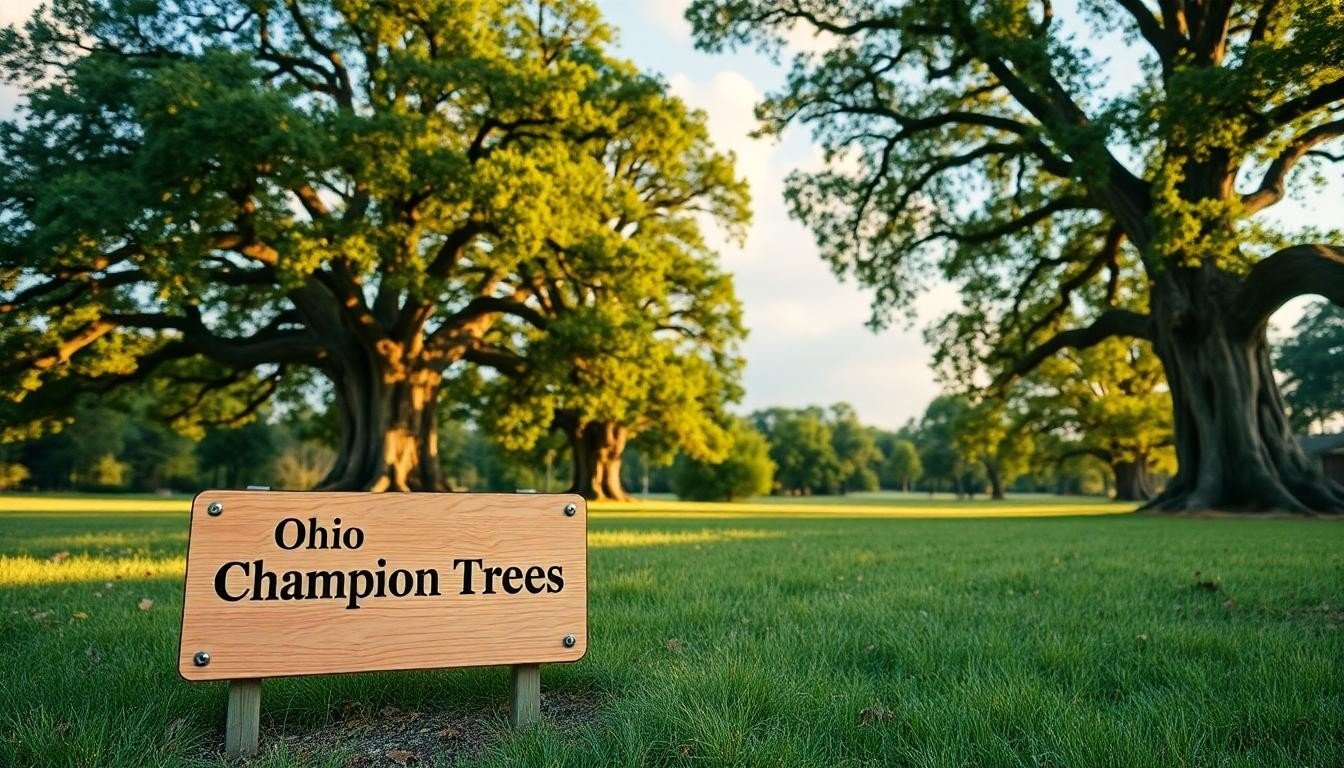
Lewis Center, Ohio looks modern on the surface, but beneath its expanding neighborhoods lies a quiet natural legacy that few fully understand. Massive trees, some older than the town itself, continue to grow silently between roads, schools, and waterways. These are not ordinary trees; they are biological landmarks that define Delaware County’s ecological identity.
Champion trees in Lewis Center tell a story of patience, survival, and balance. They grew before zoning maps, survived farming eras, and adapted to suburban pressure. Their presence forces a deeper question—can growth and preservation truly coexist in 2026?
What Are Champion Trees?
Champion trees are officially recognized specimens that outperform all others of the same species in measurable size. Their status is calculated using a standardized formula combining trunk circumference, total height, and crown spread. This system removes subjectivity and places science at the center of recognition.
Beyond measurements, champion trees symbolize ecological success. They represent ideal environmental conditions sustained over decades. When people encounter one, the experience often shifts perspective, turning a casual walk into a moment of awe and curiosity.
The Ohio Champion Tree Program Explained
Ohio’s Champion Tree Program was established to document and protect the state’s largest native trees. It relies on trained volunteers, arborists, and conservation professionals who follow strict national measurement guidelines. Each nomination undergoes verification before earning official recognition.
The program serves a deeper purpose than record-keeping. By identifying champions, Ohio creates awareness around tree preservation and environmental responsibility. Many trees receive protection only after being recognized, making the program a crucial conservation tool.
Delaware County’s Ecological Significance
Delaware County occupies a unique ecological position shaped by glacial history and water systems. Its soil composition supports deep root development while maintaining moisture retention, a rare combination that encourages long-term tree health.
This environment allows native hardwoods to grow steadily without extreme stress. Over time, slow growth results in dense wood, broader canopies, and exceptional resilience—key factors that contribute to champion-level size and longevity.
Spotlight on Lewis Center’s Champion Trees
Lewis Center stands out because of its proximity to preserved wetlands and tributaries. These natural buffers protect root systems from urban damage and regulate temperature and moisture levels throughout the year.
Several trees in the area rank among the largest in Ohio, yet many remain undocumented. Once identified, they often become points of community pride, changing how residents view local land and development decisions.
Identifying Native Giants: Oak, Maple, and Sycamore
White oaks dominate Lewis Center’s champion landscape due to their slow maturation and exceptional durability. Their wide canopies support wildlife while their deep roots stabilize surrounding soil.
Silver maples thrive near streams, growing rapidly and reaching remarkable heights. Sycamores, easily recognized by their peeling bark, flourish along floodplains where water access fuels massive vertical growth.
The Measuring Process: How a Tree Becomes a Champion
Measurement begins with precise height calculation using laser instruments or clinometers. This step ensures accuracy even in dense forest conditions.
Trunk circumference is measured at breast height, while crown spread is averaged across multiple points. These figures combine into a final score that determines champion status with scientific consistency.
Also read this :Sruffer DB: The Ultimate Solution for Modern Data Management Power
Specific Notable Trees in the Lewis Center Area
Near Alum Creek, several white oaks exhibit trunk diameters rarely seen in suburban Ohio. Their size indicates uninterrupted growth for over a century.
Along the Olentangy River, towering sycamores dominate the skyline. Their survival through floods and storms highlights the importance of healthy watersheds in sustaining ancient trees.
Where to Find Champion Trees Near Lewis Center, Ohio
Champion trees are often located near riparian corridors and public green spaces. Trails along waterways offer the highest chance of encountering these giants.
Some champions stand quietly on private land, protected by homeowners unaware of their tree’s significance. Respectful observation and responsible access remain essential.
The Role of the Olentangy Watershed in Tree Health
The Olentangy watershed acts as a natural support system for Lewis Center’s largest trees. Consistent water flow delivers nutrients while preventing drought stress.
Seasonal flooding deposits mineral-rich sediment, strengthening root systems. Any disruption to this watershed directly threatens the health and longevity of champion trees.
Lewis Center: Urbanization vs. Preservation
Lewis Center’s rapid development introduces challenges such as soil compaction and root disturbance. Construction damage often appears years later, when decline becomes irreversible.
Preservation strategies, including buffer zones and tree ordinances, aim to reduce impact. Sustainable growth depends on long-term planning rather than short-term expansion.
The USD Factor: Economic Value of Champion Trees
Champion trees generate measurable economic benefits. Their shade lowers cooling costs, while stormwater absorption reduces infrastructure strain.
When converted into USD value, a single mature tree can represent hundreds of thousands of dollars over its lifespan. Removing one creates a financial and environmental deficit.
The Science of Carbon Sequestration
Large trees store exponentially more carbon than younger ones. Their biomass allows them to absorb and retain atmospheric carbon for decades.
A single champion oak offsets emissions equivalent to dozens of smaller trees. Preservation therefore plays a direct role in climate mitigation strategies.
Comparative Analysis: The Value of Giants
Young trees promise future benefits, but champion trees deliver immediate impact. Their ecosystem services operate at full capacity.
Cooling, filtration, and habitat support increase dramatically with size. This makes mature giants irreplaceable within any realistic timeframe.
Ecosystem Services Comparison (Annual Estimated Value)
Champion trees outperform younger counterparts in air purification, energy savings, and stormwater control. Their annual value often reaches tens of thousands of dollars.
These services accumulate silently, reducing public costs while improving environmental quality year after year.
Top Native Species for Delaware County
White oak leads in longevity and resilience, while sycamore excels in floodplain environments. Maples contribute rapid canopy expansion.
Species diversity strengthens ecosystem stability, ensuring resilience against disease and climate variability.
Threats to Ancient Trees in Suburbia
Root zone damage from construction remains the greatest threat. Compacted soil restricts oxygen and water flow.
Climate change increases storm intensity, placing structural stress on aging trees. Without intervention, decline can accelerate rapidly.
Preservation Efforts in Delaware County
Local conservation groups collaborate with municipalities and landowners to protect significant trees. Educational outreach plays a key role.
Tree inventories and protective ordinances help ensure that champions are considered during development planning.
How Residents Can Get Involved
Residents can report large trees for evaluation and nomination. Awareness begins at the community level.
Simple actions like avoiding root disturbance and supporting conservation initiatives have lasting impact.
Nominating a Tree: A Step-by-Step Guide
Initial measurements and photographs form the nomination base. Accuracy is critical.
Submissions are reviewed by experts before field verification. Recognition often brings additional protection.
Eco-Tourism: Visiting Ohio’s Giants
Eco-tourism fosters appreciation without exploitation. Quiet observation preserves integrity.
Guided walks and educational signage help visitors understand the ecological value of champion trees.
Visiting Tips for 2026
Stay on marked paths to avoid soil compaction. Seasonal visits offer different visual experiences.
Always respect private property and conservation guidelines.
Future of Lewis Center’s Canopy
Urban planning decisions today will define canopy survival tomorrow. Mature trees cannot be replaced quickly.
Champion trees represent long-term environmental investment. Protecting them safeguards Lewis Center’s ecological future.
Conclusion
Lewis Center’s champion trees stand at the intersection of nature, economics, and identity. They are not obstacles to progress but foundations for sustainable growth. Preserving these giants ensures that future generations inherit more than buildings—they inherit living history.
Faqs
1. What qualifies a tree as a champion in Ohio?
A tree earns champion status based on a scoring system that combines trunk circumference, height, and crown spread. Only the largest of each species are officially recognized.
2. Are Ohio champion trees protected by law?
While recognition raises awareness, not all champion trees are legally protected. Local ordinances and conservation programs sometimes provide safeguards.
3. Can champion trees be located on private property?
Yes. Many Ohio champion trees grow on private land. Landowner cooperation is key for preservation and public recognition.
4. How old are the largest trees in Lewis Center, Ohio?
Some of Lewis Center’s giants are over 150–200 years old. Their age reflects survival through historical floods, storms, and urban development.
5. How do champion trees benefit the environment and economy?
They provide shade, reduce energy costs, filter stormwater, improve air quality, store carbon, and increase surrounding property value.
6. Can a champion tree lose its status?
Yes. Damage from storms, disease, or human activity can lower its measurements, allowing another tree to surpass it in score.
7. How can residents help preserve champion trees?
Report large trees to Ohio’s Champion Tree Program, avoid harming root zones, support local conservation efforts, and educate the community on tree value.
For more info :Streetmaginsider.com
