
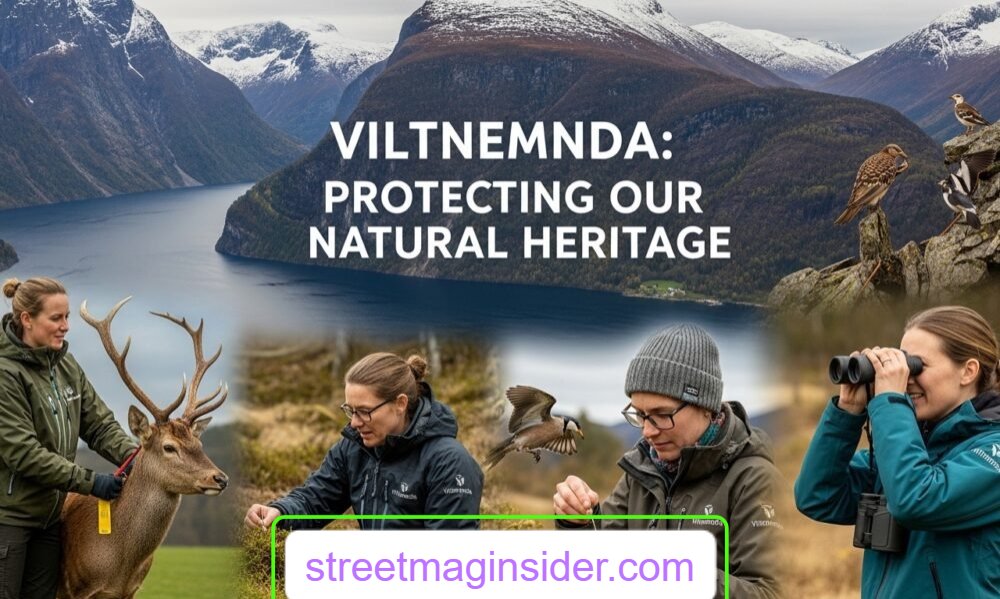
Viltnemnda are local committees in Norway responsible for managing wildlife sustainably. They balance hunting regulations, population control, and ecosystem protection by involving communities and experts in decision-making. These committees ensure Norway’s wildlife conservation strategies are effective, locally adapted, and socially acceptable, protecting biodiversity while supporting traditional land use and hunting practices.
Viltnemnda are Norway’s specialized local committees designed to manage wildlife effectively and sustainably. These committees play a crucial role in balancing ecological needs, hunting regulations, and community interests. By involving local experts, hunters, and stakeholders, Viltnemnda ensures that wildlife populations are monitored, conflicts are resolved, and natural habitats are protected. Through transparent decision-making, data-driven management, and community engagement, Viltnemnda demonstrates a successful model for local-level wildlife governance, combining tradition with modern conservation practices while safeguarding Norway’s rich biodiversity.
What Is Viltnemnda? Understanding Norway’s Wildlife Committees
Viltnemnda are local wildlife committees established across Norway to manage natural resources and wildlife populations at the municipal level. These committees bring together local experts, hunters, and government representatives to make decisions about hunting quotas, population control, and species protection. By acting locally, Viltnemnda ensures that wildlife management aligns with both ecological needs and the traditions of local communities. Their decisions are informed by scientific research, monitoring data, and local knowledge, making them a unique example of participatory wildlife governance in Europe.
How Viltnemnda Shapes Local Wildlife Conservation Policies
Viltnemnda committees influence wildlife policies by recommending hunting seasons, regulating permits, and suggesting conservation measures. Their decisions are essential for maintaining population balance, preventing overhunting, and protecting endangered species. For instance, in regions with increasing moose populations, Viltnemnda may advise controlled culling to reduce vehicle collisions and forest damage. Policies shaped by Viltnemnda reflect both ecological priorities and the needs of local residents, demonstrating a practical, community-driven approach to wildlife management.
The Role of Local Committees in Sustainable Wildlife Management
Local committees like Viltnemnda bridge the gap between national conservation laws and on-the-ground realities. They monitor wildlife populations, assess habitat conditions, and develop strategies to mitigate conflicts with humans, such as crop damage caused by deer. By integrating local knowledge with scientific research, Viltnemnda promotes sustainability. Their role ensures that Norway’s wildlife management is proactive rather than reactive, addressing ecological challenges before they escalate and maintaining healthy, balanced ecosystems across regions.
Viltnemnda Responsibilities: Balancing Nature and Community Needs
Viltnemnda’s responsibilities include regulating hunting, managing population growth, and resolving conflicts between humans and wildlife. They also oversee habitat conservation projects and collaborate with environmental organizations. The committees are accountable to both the public and government authorities, ensuring transparency. For example, local farmers may request action against herbivores damaging crops, while hunters provide input on sustainable hunting limits. This balanced approach allows Viltnemnda to harmonize ecological priorities with human interests.
Decision-Making in Viltnemnda: How Norway Protects Its Wildlife
Decision-making in Viltnemnda is collaborative and evidence-based. Members analyze population data, research findings, and reports from local authorities to set hunting quotas and conservation measures. This approach minimizes bias and ensures decisions are scientifically sound. Public meetings allow community feedback, increasing trust in the system. By using data-driven management, Viltnemnda helps maintain ecological balance, prevents overpopulation of certain species, and reduces risks to agriculture and road safety caused by wildlife.
Also read this :What Is Enntal? Complete Guide to Its Meaning and Use Cases
Wildlife Conflicts in Norway and Viltnemnda’s Solutions
Conflicts between wildlife and humans are common in Norway, especially with moose, deer, and predators like lynx and wolves. Viltnemnda addresses these issues by implementing targeted population control, creating buffer zones, and advising on safe hunting practices. Community involvement is crucial, as local input helps committees understand where interventions are most needed. These proactive strategies prevent habitat destruction, reduce human-wildlife clashes, and ensure both ecological and human safety.
Meet the Members: Who Runs Viltnemnda Committees?
Viltnemnda committees consist of local hunters, municipal officials, scientists, and environmental representatives. Each member brings unique expertise, ensuring balanced decisions. Hunters contribute knowledge about animal behavior, scientists provide ecological insights, and municipal officials ensure regulations align with laws. This multidisciplinary team allows Viltnemnda to make comprehensive and effective wildlife management decisions, reflecting the interests of both nature and local communities.
Viltnemnda Success Stories: Effective Wildlife Management in Action
Several regions in Norway have benefited from Viltnemnda’s approach. For example, controlled moose culling programs have reduced traffic accidents by up to 30% in certain counties. Predator reintroduction plans have stabilized lynx populations without threatening livestock. These successes demonstrate that local committees, when empowered with data and community support, can manage wildlife effectively while balancing human interests and ecological integrity.
Challenges Facing Viltnemnda in Modern Wildlife Conservation
Viltnemnda faces challenges such as climate change, habitat loss, and conflicts over hunting limits. Urban expansion and tourism increase human-wildlife interactions, requiring more adaptive strategies. Additionally, balancing the interests of hunters, farmers, and conservationists can be politically sensitive. Despite these challenges, Viltnemnda’s transparent, data-driven approach allows committees to respond proactively, maintaining Norway’s reputation for responsible and sustainable wildlife management.
Community Involvement in Norway’s Wildlife Committees
Community participation is central to Viltnemnda’s success. Public consultations and local surveys inform decisions about hunting quotas and conservation projects. By including residents, the committees ensure that wildlife policies are culturally acceptable, practical, and widely supported. This participatory model encourages stewardship, educates communities about ecological challenges, and fosters long-term commitment to sustainable wildlife management.
Viltnemnda and Hunting Regulations: What You Need to Know
Viltnemnda sets local hunting rules to prevent overharvesting and ensure sustainable wildlife populations. Hunting licenses, bag limits, and seasonal restrictions are tailored to ecological data. For example, hunters may be allowed to hunt more deer in areas with population spikes, while predator hunting is tightly controlled. These regulations are crucial for balancing conservation goals with traditional hunting practices, ensuring both biodiversity protection and community participation.
How Technology Supports Viltnemnda’s Wildlife Decisions
Technology plays a key role in Viltnemnda’s management. GPS tracking, population modeling, and remote sensing help monitor animal movements and habitat health. Digital reporting systems allow hunters and local residents to submit sightings, enabling real-time data collection. These technological tools enhance decision-making, reduce conflicts, and improve accuracy in population assessments, allowing Viltnemnda to respond quickly to ecological changes.
Case Studies: Viltnemnda’s Impact on Local Ecosystems
In Northern Norway, Viltnemnda’s intervention stabilized reindeer populations while preventing overgrazing. In other regions, careful predator management increased lynx survival rates without endangering livestock. Case studies show that local involvement, scientific analysis, and targeted interventions make Viltnemnda a successful model for ecosystem management, proving that localized committees can achieve measurable conservation outcomes.
Comparing Norway’s Viltnemnda to Wildlife Committees Worldwide
Unlike centralized wildlife agencies in many countries, Viltnemnda empowers local committees to make data-driven decisions. This decentralized approach fosters community engagement and accountability. While countries like Canada and Sweden have regional committees, Norway’s model is notable for combining traditional knowledge with modern scientific techniques, creating a replicable framework for sustainable, participatory wildlife governance.
H2: Future of Viltnemnda: Trends in Local Wildlife Governance
Viltnemnda is evolving with climate change, technological advancements, and increasing community participation. Future trends include integrating AI for population predictions, strengthening human-wildlife conflict mitigation, and expanding educational programs. These adaptations ensure Viltnemnda remains effective, responsive, and sustainable, maintaining Norway’s leadership in wildlife management while promoting biodiversity and community involvement.
Conclusion & Call-to-Action
Viltnemnda exemplifies how local committees can manage wildlife responsibly, balancing ecological needs with human interests. By combining community input, scientific research, and data-driven policies, these committees ensure Norway’s wildlife thrives sustainably. For anyone interested in conservation, learning from Viltnemnda’s model provides valuable insights into participatory and effective ecosystem management. Stay informed, support local wildlife initiatives, and engage in sustainable practices to protect biodiversity for future generations.
H2: FAQs About Viltnemnda
1. What species does Viltnemnda manage?
Viltnemnda manages mammals like moose, deer, reindeer, predators such as lynx and wolves, and occasionally birds, depending on local ecosystems.
2. How are Viltnemnda members selected?
Members are appointed by local municipalities and include hunters, scientists, environmental representatives, and municipal officials.
3. Can the public influence Viltnemnda decisions?
Yes, public meetings, consultations, and surveys allow residents to provide input on hunting regulations and conservation policies.
4. Are Viltnemnda decisions legally binding?
Decisions guide local implementation of national wildlife laws. While advisory, they strongly influence local hunting permits and conservation measures.
5. How does Viltnemnda balance hunting and conservation?
By setting quotas, seasonal restrictions, and predator protections, Viltnemnda ensures sustainable populations while respecting traditional hunting practices.
6. Do Viltnemnda committees use technology?
Yes, GPS tracking, population models, and digital reporting tools help monitor wildlife and improve management accuracy.
7. Is Viltnemnda’s approach unique to Norway?
Yes, its combination of local participation, scientific guidance, and community engagement is a distinctive model in Europe.
For more info :streetmaginsider.com
