
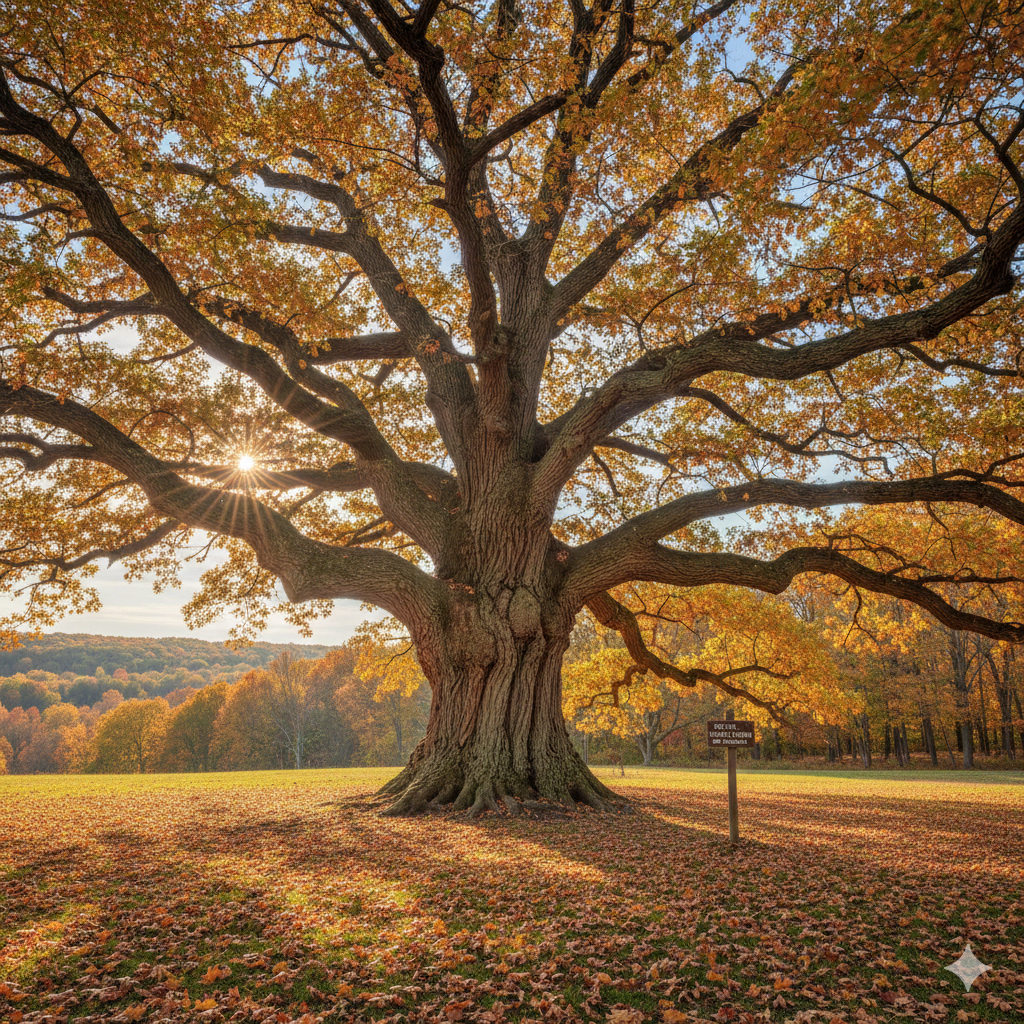
Ohio is home to some of the most remarkable and largest trees in the United States. The Ohio Champion Tree Program recognizes these exceptional specimens for their size, age, and historical significance. From towering oaks to majestic magnolias, each champion tree tells a story of nature, community, and preservation. These trees are not only ecological treasures but also cultural landmarks that reflect Ohio’s rich natural heritage. Anyone can learn about, visit, or even nominate these trees to celebrate the state’s arboreal giants.
Introduction
Ohio’s forests, parks, and urban green spaces are filled with trees that have stood for decades, even centuries. The Ohio Champion Tree Program exists to honor the tallest, widest, and oldest of these trees, creating a registry that celebrates natural beauty and ecological importance. By highlighting these exceptional trees, the program raises public awareness about conservation, historical preservation, and the vital role trees play in our environment. Beyond size, these trees connect communities to their history and inspire efforts to protect Ohio’s natural treasures for generations to come. Whether you are a nature enthusiast, educator, or casual visitor, Ohio’s champion trees offer a glimpse into the state’s living heritage.
List of Champion Trees in Ohio: Ohio Champion Tree Program Overview
The Ohio Champion Tree Program was established to catalog and protect trees that exceed ordinary growth standards. Trees are measured for height, trunk circumference, and crown spread, and the largest specimens in each species category earn the “champion” designation. This recognition highlights trees not just as individual organisms, but as living monuments with ecological, cultural, and educational value. Beyond cataloging, the program encourages public engagement. Visitors can locate champion trees through maps, participate in educational programs, and nominate their own remarkable trees for consideration. By connecting people with these giants, Ohio fosters a sense of stewardship and community pride, showing how even a single tree can have a lasting impact on its surroundings.
What Are Champion Trees and Why They Matter
Champion trees are the tallest, widest, or oldest examples of a species, celebrated for their exceptional size and longevity. They often survive decades of environmental change, storms, and human activity, making them natural records of local history. Each champion tree provides insight into its species’ potential growth, resilience, and ecological contributions, offering scientists and educators a living classroom. These trees matter because they anchor ecosystems. Birds, insects, and small mammals rely on mature trees for habitat and food, while the trees themselves contribute to carbon storage and air purification. Additionally, champion trees inspire communities by connecting people to nature’s enduring beauty, promoting conservation, and celebrating local heritage. They remind us that protecting a single tree can ripple out into broader ecological and social benefits.
The Purpose of the Ohio Champion Tree Program
The Ohio Champion Tree Program serves multiple purposes beyond recognition. Its primary goal is to identify, record, and protect the state’s most impressive trees. By maintaining this registry, Ohio ensures that these living monuments are celebrated for their ecological and historical importance. Another purpose is educational. Schools, environmental groups, and tourists can learn about native species, growth potential, and conservation techniques. Public engagement is also central: the program encourages communities to take pride in their local natural landmarks and participate in tree preservation initiatives. This approach strengthens civic involvement while promoting environmental stewardship across the state.
How Trees Are Nominated for Champion Status
Nominating a tree is an accessible process designed to involve the public. Anyone—homeowners, students, or park visitors—can submit a tree for evaluation. Nominations include measurements, photographs, and location details to ensure accuracy. Once submitted, experts from forestry departments or certified arborists verify the tree’s measurements. Exceptional specimens are then added to the official Ohio Champion Tree registry. This transparent process allows communities to celebrate their natural giants while creating a comprehensive record of Ohio’s remarkable arboreal heritage.
How Champion Trees Are Measured: Standards & Criteria
Champion trees are measured using a standardized formula that combines three key metrics: trunk circumference, tree height, and crown spread. These measurements ensure that the largest specimens of each species receive proper recognition. By using consistent standards, Ohio ensures fairness and scientific accuracy in identifying its champion trees. Trunk circumference is typically measured at 4.5 feet above the ground, while height is gauged with specialized tools such as clinometers or laser rangefinders. Crown spread is measured from the widest points of the canopy. Together, these metrics create a comprehensive profile of each tree, reflecting not just size but overall health and structural integrity. Beyond numbers, these measurements help track growth trends, monitor tree health, and inform conservation strategies. Experts can compare data across years, providing insight into species’ potential longevity and resilience in Ohio’s changing climate.
Also read this :Lewis Center Ohio Champion Trees: Discover Nature’s Living Giants
Overview of Ohio’s Champion Tree Species
Ohio’s champion trees represent a diverse array of species, from robust oaks to delicate magnolias. Each species has unique growth patterns, ecological roles, and aesthetic appeal. By cataloging these species, the program highlights Ohio’s rich botanical heritage and guides conservation efforts. The registry covers both native and introduced species that thrive in Ohio’s climate. Many of these trees have adapted over centuries to local soils, weather, and urban pressures, making them living examples of ecological resilience. Visitors and researchers can explore a wide range of trees, learning how different species contribute to forest ecosystems. Champion species also serve as ambassadors for conservation education. They demonstrate the importance of protecting mature trees, promoting biodiversity, and maintaining healthy landscapes across urban and rural areas alike.
Champion Oak Trees in Ohio
Oaks dominate Ohio’s champion tree registry, with species such as White Oak, Bur Oak, Northern Red Oak, and Chinquapin Oak. These trees are celebrated for their massive size, longevity, and ecological significance. White Oaks, for instance, can live for several centuries, providing vital habitat for wildlife. Bur Oaks are notable for their wide, spreading crowns and distinctive acorns. Northern Red Oaks are admired for their towering height and vibrant fall foliage, while Chinquapin Oaks, though rarer, are recognized for their smooth leaves and unique growth patterns. Beyond their beauty, oak trees play a critical role in ecosystems. Their acorns feed deer, squirrels, and birds, and their shade supports understory plants. Champion oaks are often community landmarks, inspiring local pride and preservation efforts.
Champion Maple Trees in Ohio
Maple trees hold a special place in Ohio’s forests, with Silver and Red Maples frequently appearing on the champion registry. These trees are appreciated for their striking fall colors and adaptability to various soil types and urban environments. Silver Maples grow rapidly and can reach impressive sizes, providing shade and cooling urban areas. Red Maples, on the other hand, are valued for their symmetrical form and fiery red foliage, often serving as focal points in parks and gardens. Maples also support wildlife, offering sap for insects and habitat for birds. By protecting champion maples, Ohio preserves both ecological function and aesthetic beauty, enhancing local landscapes for generations to enjoy.
Champion Sycamore, Cottonwood, and Magnolia Trees
American Sycamores are among Ohio’s tallest trees, with mottled bark and sprawling branches. They thrive near rivers and wetlands, stabilizing soils while providing habitat for birds and mammals. Eastern Cottonwoods, another towering species, are known for rapid growth and broad leaves that create dense shade. Cucumber Magnolias, though less common, are celebrated for their unique flowers and stately presence. These trees symbolize Ohio’s botanical diversity, showing that champion trees are not only massive but also beautiful and ecologically important. Together, these species demonstrate how different growth strategies—height, spread, flowering, or leaf structure—contribute to Ohio’s forest mosaic. Protecting them ensures both ecological balance and cultural appreciation.
Champion Buckeye Trees: Ohio’s Iconic Species
The Ohio Buckeye is the state tree and a symbol of regional pride. Its glossy leaves and distinctive nuts make it instantly recognizable. Champion Buckeye trees stand out for their size, age, and cultural significance, often featured in parks, campuses, and public spaces. These trees provide food for wildlife and serve as educational tools, illustrating the state’s native flora. Communities often gather around mature Buckeyes for celebrations or environmental programs, reinforcing the tree’s social and cultural importance. By recognizing champion Buckeyes, Ohio promotes not only conservation but also civic engagement, showing how a single species can unite nature, history, and community identity.
Champion Elm, Hackberry, and Other Hardwood Trees
Elm and Hackberry trees, along with other hardwoods, contribute to Ohio’s forest diversity. Elms are valued for their elegant forms and historical prevalence in towns, while Hackberries thrive in challenging soils, demonstrating adaptability. These hardwoods support ecosystems by providing nesting sites, fruits, and shade. Other hardwood species on the champion registry highlight Ohio’s botanical range, offering insights into growth patterns, resilience, and ecological roles. By preserving these trees, the program ensures that Ohio maintains both biodiversity and historical continuity, honoring species that have shaped landscapes for centuries.
Champion Trees in Urban and Public Spaces
Champion trees are not confined to forests; many thrive in urban parks, cemeteries, arboreta, and college campuses. These trees provide beauty, shade, and ecological benefits within city environments. Urban champion trees serve as living monuments, reminding communities of the importance of nature amidst concrete. Cemeteries and arboreta offer protected spaces where trees can grow undisturbed, while college campuses use them for educational programs and student engagement. By valuing trees in public spaces, Ohio demonstrates how urban forestry can blend recreation, education, and conservation, fostering environmental awareness in diverse communities.
Threats to Champion Trees and Why Protection Matters
Champion trees face numerous threats, including disease, invasive species, storms, and human activity. Dutch Elm disease, emerald ash borer, and urban development pose serious risks to these giants. Climate change adds another layer of stress, altering growth patterns, soil moisture, and temperature ranges. Without protection, even the largest, healthiest trees can decline rapidly. Preservation efforts are crucial. By monitoring health, controlling pests, and encouraging public awareness, Ohio ensures that champion trees remain a part of the landscape for future generations, maintaining both ecological and cultural value.
How the Public Can Help: Conservation and Engagement
Anyone can participate in champion tree conservation. Learning to identify local species, visiting natural areas, and nominating exceptional trees are practical steps for public engagement. Educational programs, volunteer tree-planting events, and citizen science initiatives also allow communities to contribute meaningfully. Schools, parks, and local groups can foster stewardship by connecting youth and adults to Ohio’s living heritage. These actions reinforce the idea that protecting trees is a shared responsibility. By engaging with champion trees, citizens cultivate both environmental awareness and community pride.
Conclusion: Preserving Ohio’s Champion Trees for Future Generations
Ohio’s champion trees are more than just large specimens—they are symbols of resilience, history, and community. Their towering presence reflects centuries of growth, environmental adaptation, and human stewardship. Protecting these trees ensures that future generations can experience the wonder of nature and learn from the lessons embedded in each trunk and branch. By valuing, studying, and conserving champion trees, Ohio preserves a living legacy that enriches landscapes, wildlife, and human lives alike. Champion trees stand as a reminder that nature, when cared for, can inspire awe, educate, and unite communities for generations to come.
Faqs
1. What is a Champion Tree in Ohio?
A Champion Tree in Ohio is the largest known individual of its species based on a combination of height, trunk circumference, and crown spread. These trees are recognized for their size, age, ecological importance, and sometimes historical or cultural significance.
2. How can I find Ohio’s Champion Trees?
Ohio maintains an official registry of champion trees that can be accessed online. Many trees are located in public parks, arboreta, cemeteries, and college campuses, making them easy to visit. Some local guides and maps also highlight popular champion tree locations for enthusiasts and tourists.
3. Can I nominate a tree to become a Champion Tree?
Yes, anyone can nominate a tree in Ohio. The process involves submitting details like the tree’s species, location, trunk measurements, height, and photographs. Experts or certified arborists verify the information before adding it to the official registry.
4. Why are Champion Trees important?
Champion trees are vital for ecosystems, providing habitats, shade, and food for wildlife. They also serve as living records of environmental history, inspire conservation efforts, and connect communities to nature and local heritage. Protecting them ensures ecological and cultural continuity.
5. What are some of the most famous Champion Trees in Ohio?
Some notable champion trees include massive White Oaks, towering American Sycamores, Red Maples, and the state’s iconic Ohio Buckeye. These trees are often centuries old and stand as landmarks in parks, forests, and urban spaces.
6. How are Champion Trees measured?
Ohio uses a standardized formula combining three measurements: trunk circumference (usually at 4.5 feet above the ground), height (measured with tools like clinometers or lasers), and crown spread (the widest part of the canopy). These measurements determine which tree earns champion status.
7. How can the public help protect Ohio’s Champion Trees?
People can support conservation by learning to identify native trees, exploring natural areas, participating in tree-planting or educational programs, and nominating exceptional trees. Public awareness and community engagement are key to preserving these giants for future generations.
For more info :Streetmaginsider.com
