
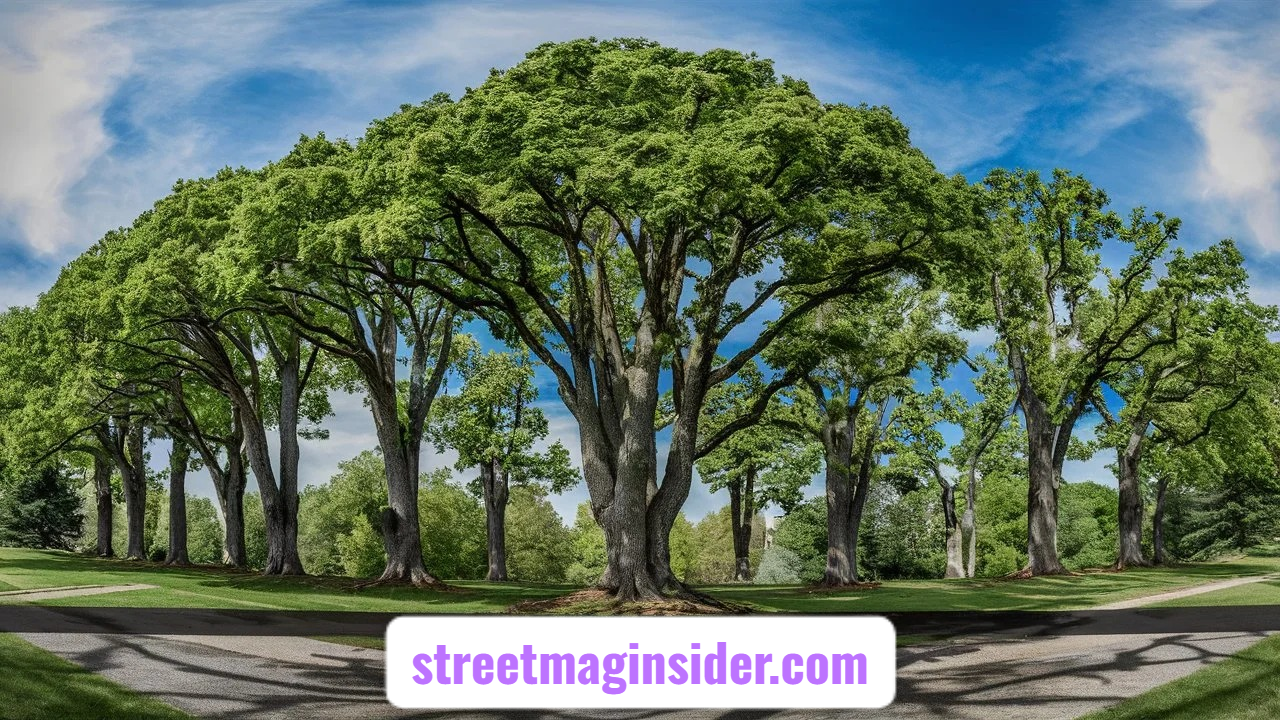
Lewis Center, Ohio, is home to some of the most remarkable champion trees in the state. These towering giants are not just remarkable for their size—they are living witnesses to history, climate, and the care of generations. Walking among them feels like stepping into a natural cathedral, where every branch tells a story. From the legendary White Oak to a variety of native species, Lewis Center’s champion trees inspire awe and curiosity. This guide explores their origins, significance, and the efforts to protect them.
Introduction
Champion trees are celebrated for their extraordinary size, age, and ecological importance. In Lewis Center, these giants stand as natural landmarks, drawing attention from both locals and visitors. They aren’t just trees—they are living monuments of Ohio’s natural heritage.
Many residents first notice champion trees for their sheer scale. Some have trunks wide enough to require several people to embrace, while others reach skyward with crowns that cast expansive shadows. Beyond aesthetics, these trees provide vital habitats for birds, insects, and other wildlife, making them essential components of the local ecosystem.
Lewis Center’s champion trees are also a source of education and wonder. School programs, guided walks, and community initiatives encourage people to learn about their significance. These trees bridge the gap between past and present, connecting the community to centuries of natural history.
What Makes a Tree a Champion in Ohio
A tree earns the title of “champion” based on measurements like height, trunk circumference, and crown spread. Ohio maintains an official registry, ensuring that only the largest and most impressive specimens are recognized. Size is the most obvious factor, but age, health, and ecological value also contribute.
Champion status is more than a record—it symbolizes endurance. These trees have survived storms, droughts, and human development. Their resilience is a testament to nature’s power and adaptability. Curiously, some species are more likely to produce champions, with oaks, maples, and sycamores frequently dominating the list.
Recognition encourages stewardship. Once a tree is identified as a champion, local authorities and landowners often implement measures to ensure its protection. This includes careful monitoring, pruning, and sometimes rerouting nearby construction to preserve its health.
The History of Champion Trees Across Ohio
Ohio’s champion trees tell stories that span centuries. Many were seedlings during the earliest European settlements, witnessing changes in land use, climate, and population growth. Their longevity offers a living record of environmental history.
Some champion trees became local legends. Early settlers would mark their locations, and communities often held gatherings under their shade. Over time, programs like the Ohio Champion Tree Program formalized recognition, ensuring these natural giants were documented and protected.
The historical significance extends beyond human interaction. These trees have played essential roles in forest ecology, carbon storage, and soil stabilization. Understanding their past helps scientists and conservationists predict future trends in forest management and urban planning
Why Lewis Center Provides Ideal Conditions for Champion Trees
Lewis Center’s soil composition, climate, and rainfall create a unique environment for tree growth. Fertile loam, moderate precipitation, and seasonal temperature variation allow certain species to thrive and reach record-breaking sizes.
Proximity to water sources also supports robust root systems, helping trees withstand storms and droughts. Additionally, decades of relatively low industrial development in certain areas have minimized pollution and soil disruption, giving trees space and time to grow undisturbed.
Community involvement is another factor. Residents and local authorities often take pride in protecting mature trees. Whether through private stewardship or public park initiatives, Lewis Center has cultivated a culture of care, allowing these giants to flourish for generations.
Understanding Champion Tree Growth: Soil, Climate, and Care
Champion trees require more than natural conditions; they thrive with attentive care. Soil rich in nutrients and well-draining layers supports strong root systems. Periodic rainfall, balanced sunlight, and moderate temperatures contribute to consistent growth over decades.
Climate resilience is essential. Trees that withstand extreme weather, pests, and disease often become champions. In Lewis Center, a combination of natural and managed care ensures these giants are protected against invasive species and environmental stressors.
Human intervention plays a subtle but important role. Mulching, pruning, and monitoring for disease help maintain the health and longevity of these trees. The careful balance between nature and stewardship ensures these living giants reach their full potential.
The Legendary White Oak of Lewis Center: A Natural Icon
Among all champion trees, the White Oak in Lewis Center stands out. Its massive trunk and sprawling branches make it a local symbol of resilience and longevity. Many generations have admired its grandeur, often sharing stories passed down about its age and significance.
This tree isn’t just visually striking; it plays a critical role in the ecosystem. Birds, squirrels, and insects rely on its canopy for shelter and sustenance. The acorns it produces are vital for local wildlife, reinforcing its ecological importance.
Visitors often describe a sense of awe when standing beneath its branches. There’s a natural reverence for its size and history, inspiring community pride and fostering conservation awareness. The White Oak embodies both natural wonder and local heritage.
Common Species Found Among Lewis Center’s Champion Trees
While the White Oak captures attention, Lewis Center hosts a variety of champion species. Maples, sycamores, hickories, and tulip trees often feature in the official registry, each with unique characteristics.
Maples impress with vibrant foliage, especially during autumn, creating stunning seasonal displays. Sycamores can grow exceptionally tall with wide, patchy bark, making them instantly recognizable. Hickories and tulip trees contribute to biodiversity, offering food and habitat for numerous species.
Understanding species diversity highlights the ecological richness of Lewis Center. Each tree plays a distinct role in soil health, wildlife support, and carbon absorption, reinforcing the interconnectedness of this natural environment.
Champion Trees Near Lewis Center Ohio: Regional Highlights
Lewis Center is surrounded by areas rich in champion trees. Nearby parks, trails, and conservation areas host specimens that attract tree enthusiasts and researchers alike. Each location offers unique environmental conditions that support growth and biodiversity.
Some regional champions are lesser-known but equally impressive. Walking through these areas reveals a mix of towering hardwoods and ancient trees, many of which have remained untouched for decades. Local maps and guides help visitors locate these natural treasures.
The regional perspective emphasizes community responsibility. Protecting trees in Lewis Center also means safeguarding ecosystems in neighboring areas. Coordinated conservation efforts ensure that the region’s champions continue to thrive.
Also read this :Ohio Champion Trees Database & Interactive Map: The Complete Official Guide
Where Champion Trees Are Commonly Found in Parks and Communities
Champion trees often grow in public parks, protected green spaces, and community preserves. These locations allow the public to experience the trees up close while ensuring their protection from urban development.
Neighborhoods with older landscapes sometimes host privately-owned champions, where careful stewardship by residents ensures survival. Schools and community centers may plant or maintain trees with potential to become future champions.
Accessibility encourages education and connection. By situating champion trees in shared spaces, communities foster awareness about nature, history, and environmental responsibility, turning each visit into both a learning and awe-inspiring experience.
The Role of Conservation and Responsible Tree Stewardship
Champion trees require protection to survive and thrive. Conservation efforts range from monitoring for disease to controlling human activity around root zones. These measures prevent damage and extend the life of each tree.
Stewardship is often collaborative. Local governments, nonprofits, and private citizens work together to maintain trails, install signage, and educate the public about tree importance. Awareness campaigns help communities understand the broader ecological role of these giants.
Stewardship also ensures future champions. By planting native species and protecting young trees, Lewis Center nurtures a continuous legacy, ensuring that future generations inherit equally impressive natural monuments.
Private Property, Public Interest, and Tree Preservation Challenges
Many champion trees grow on private land, which raises questions about accessibility and preservation. Owners must balance personal property rights with the tree’s ecological and historical significance.
Some challenges include urban development, landscaping changes, and potential neglect. Without proper care, even the largest trees can decline rapidly. Local programs often provide guidance, incentives, or technical support to property owners to protect these giants.
Finding solutions benefits both humans and nature. Encouraging collaboration between private landowners and public organizations helps ensure these living monuments remain healthy, visible, and integral to the community’s heritage.
Urban Development and Its Impact on Champion Trees
Urban expansion poses threats to large trees. Construction can damage roots, soil compaction can hinder growth, and pollution may weaken defenses against disease. Champion trees in growing areas require careful planning to avoid such impacts.
Some urban planners integrate tree preservation into projects. Protective barriers, adjusted building plans, and green corridors allow trees to coexist with development. These strategies demonstrate how urban growth and nature can harmonize when managed thoughtfully.
Residents and authorities are increasingly aware of the stakes. Preserving champion trees in urban settings is not just about aesthetics—it is about maintaining biodiversity, air quality, and cultural identity in rapidly changing landscapes.
The Cultural, Historical, and Emotional Value of Champion Trees
Champion trees inspire more than admiration—they foster deep emotional and cultural connections. Many are landmarks for local stories, ceremonies, or historical events, serving as living witnesses to the passage of time.
Historically, they marked community gathering spots, meeting places, or navigation points. Today, they remain symbols of resilience, continuity, and natural beauty, bridging generations through shared experiences.
Emotionally, people often feel awe, peace, or reflection when near these trees. The simple act of standing beneath a giant oak or sycamore can connect humans to nature in profound ways, fostering appreciation and a sense of responsibility for its protection.
Educational Opportunities and Community Awareness Initiatives
Champion trees serve as natural classrooms. Schools, community groups, and local organizations use these trees to teach biology, history, and environmental science. Hands-on experiences make learning memorable and inspire stewardship from an early age.
Workshops, guided tours, and informational signage enhance public engagement. Volunteers can participate in planting, monitoring, and conservation efforts, fostering a sense of ownership and pride in the local natural heritage.
Community awareness ensures long-term preservation. Educated citizens understand the importance of proper care, protection, and advocacy, creating a culture where champion trees are cherished and defended.
The Future of Lewis Center Ohio Champion Trees: A Living Legacy
The future of these living giants depends on careful management, public engagement, and environmental stewardship. Ongoing research and monitoring help ensure that the next generation of champions thrives alongside growing communities.
Young trees planted today may become the champions of tomorrow. By learning from past successes and challenges, Lewis Center can create a sustainable environment where natural heritage continues to flourish.
Ultimately, champion trees are more than trees—they are legacies. Protecting them preserves history, ecology, and culture, leaving a living testament for future generations to explore, admire, and learn from.
7 SEO-Optimized FAQs
1. What is a champion tree in Ohio?
A champion tree in Ohio is officially recognized for being the largest of its species, measured by trunk circumference, height, and crown spread. These trees are celebrated for their age, size, and ecological importance. Ohio’s registry ensures only the most impressive specimens receive this title, highlighting their role as living natural monuments.
2. How old are the champion trees in Lewis Center, Ohio?
Many champion trees in Lewis Center are several hundred years old. Some date back to the earliest European settlements, making them historical witnesses of the region’s growth. Their age contributes not only to their size but also to their ecological and cultural significance.
3. What types of champion trees are found in Lewis Center?
Lewis Center hosts a variety of species, including White Oak, Maple, Sycamore, Hickory, and Tulip trees. Each species has unique characteristics, such as height, foliage, and habitat benefits, contributing to the biodiversity and ecological richness of the area.
4. Where can I see Lewis Center’s champion trees?
Champion trees can be found in public parks, community preserves, and some private properties. Notable spots include local trails, school grounds, and conservation areas where trees are protected and accessible for educational and recreational visits.
5. Why is Lewis Center ideal for growing champion trees?
Lewis Center offers fertile soil, moderate rainfall, and favorable climate conditions that support tree growth. Combined with conservation efforts and community stewardship, these factors create an environment where trees can thrive to record-breaking sizes.
6. How are champion trees protected and conserved?
Protection includes monitoring for disease, controlling human activity around root zones, pruning, and sometimes rerouting nearby development. Collaboration between local authorities, nonprofits, and private landowners ensures these natural giants remain healthy and preserved for future generations.
7. What is the significance of the White Oak in Lewis Center?
The legendary White Oak of Lewis Center is a natural icon. Its massive size, ecological role, and historical importance make it a community landmark. It provides habitat for wildlife, produces acorns, and inspires awe, symbolizing the region’s living natural heritage.
For more info :streetmaginsider.com
