
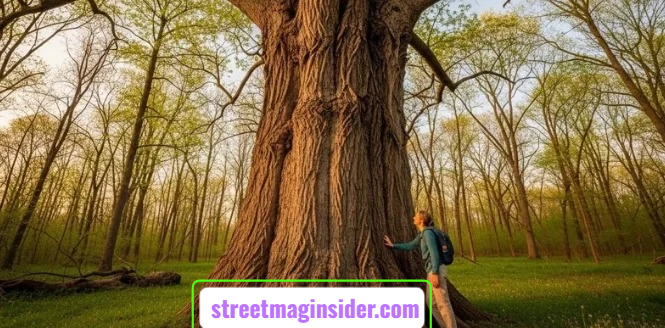
The Ohio Champion Trees Database & Interactive Map is an official, verified system that documents the largest and most exceptional trees across Ohio. It allows users to explore champion trees by species, size, and location using an interactive digital map. The database supports conservation, education, and public awareness by tracking tree growth and condition over time. Nature enthusiasts, researchers, educators, and families all rely on it as a trusted source. More than a directory, it serves as a living record of Ohio’s natural legacy.
Introduction
Ohio is home to forests that quietly hold centuries of history within their trunks and roots. Scattered across the state are trees so large, old, and rare that they stand apart from the rest. The Ohio Champion Trees Database & Interactive Map was created to identify and protect these extraordinary giants. This guide explains how the system works, why champion trees matter, and how anyone can explore them responsibly. For those curious about nature beyond the surface, these trees offer stories worth discovering.
Ohio Champion Trees Database & Interactive Map: Discover Ohio’s Giant Trees
The Ohio Champion Trees Database is a centralized archive that records Ohio’s most impressive trees based on verified measurements. Each entry represents a tree that stands out within its species due to size, structure, or overall presence. These are not average trees but biological landmarks.
The interactive map adds a visual layer to the experience. Users can explore the state geographically, uncovering champion trees hidden in parks, rural landscapes, and even unexpected urban pockets. This blend of data and discovery encourages curiosity and deeper engagement with Ohio’s natural environment.
What Is the Ohio Champion Tree Program and Why It Exists
The Ohio Champion Tree Program exists to formally recognize trees that represent the best of their species. Its purpose extends beyond awards or rankings. By identifying these trees, the program highlights the ecological value of mature and healthy specimens.
Recognition often leads to protection. When a tree is labeled a champion, it gains visibility, which can influence landowners, communities, and policymakers to preserve it. The program ultimately acts as a bridge between scientific documentation and public stewardship.
What Does “Champion Tree” Mean in Ohio
In Ohio, a “Champion Tree” is defined through a standardized scoring system. This system evaluates trunk circumference, total height, and crown spread to determine overall size. The combined score ensures fairness across different growth patterns.
This approach prevents bias toward a single trait. A tree does not need to be the tallest to qualify. Instead, it must represent an exceptional balance of size, health, and form within its species, making the title both meaningful and credible.
How Champion Trees Are Measured and Verified
Champion tree measurements are conducted using established forestry methods. Experts measure circumference at a consistent height, calculate crown spread through averaged distances, and determine height using professional tools.
Verification is equally rigorous. Submitted data is reviewed, compared with existing records, and often rechecked in the field. This process maintains trust in the database and ensures that champion status is based on evidence, not estimates or assumptions.
Why Champion Tree Measurements Change Over Time
Trees are living organisms, constantly responding to their environment. Growth, storm damage, disease, or natural decline can all alter a tree’s dimensions. As a result, measurements are not permanent.
Regular updates allow the database to reflect reality. A former champion may lose its title, while another tree may grow large enough to replace it. These changes keep the system dynamic and scientifically accurate.
Also read this :Who is Michelle Goeringer? A Complete Guide to the Life of Rex Ryan’s Former Wife
Why Champion Trees Matter: Ecology, History, and Conservation
Ecological Importance
Champion trees often support complex ecosystems. Their size provides habitat for birds, insects, fungi, and small mammals. Losing one can disrupt an entire micro-environment.
Historical and Cultural Value
Many champion trees predate modern development. They may have witnessed early settlements, agricultural expansion, or historical events. These trees serve as living connections to Ohio’s past.
Conservation Significance
From a conservation perspective, champion trees demonstrate what healthy ecosystems can produce. They help set benchmarks for forest management and inspire long-term environmental protection.
Inside the Ohio Champion Trees Database: What Information It Provides
The database offers more than basic listings. Users can view species details, precise measurements, nomination history, and general location information. Ownership type, whether public or private, is also often noted.
This depth of information supports research and education. It allows scientists to track trends while giving educators real-world examples to enhance environmental learning.
How the Ohio Champion Trees Interactive Map Works
The interactive map is designed for ease of use. Visitors can filter results by county, species, or proximity. Each marker reveals detailed information when selected.
This structure encourages exploration. What begins as a quick search often turns into a deeper journey through Ohio’s landscapes, guided by data and curiosity.
How to Find Champion Trees Near You in Ohio
Finding nearby champion trees is straightforward. By entering a location or using map filters, users can quickly identify notable trees in their region.
This accessibility transforms abstract data into real-world experiences. Many people are surprised to learn that a champion tree exists just minutes from their home.
Famous and Must-See Champion Trees Across Ohio
Ohio is home to several widely recognized champion trees. Massive tulip trees, towering sycamores, and ancient oaks draw visitors from across the state.
These trees are admired not only for their size but also for their resilience. Their survival stories often mirror the environmental history of the regions they inhabit.
Spotlight on Lewis Center’s Champion Trees
Lewis Center, located in southern Delaware County, has quietly become one of central Ohio’s most tree-rich areas. Its close connection to Alum Creek, mixed with preserved parkland and undeveloped corridors, has allowed several tree species to grow undisturbed for decades. Even as residential development has increased, pockets of mature forest continue to protect some of the region’s most impressive trees. While Lewis Center may not host every national champion, it is home to multiple state champions and locally significant giants that attract arborists, photographers, and nature enthusiasts alike.
According to the most recent Ohio Department of Natural Resources (ODNR) records available for 2026, several standout trees near Lewis Center rank among Ohio’s largest by species. These trees are not only remarkable for their size but also for their ecological roles. Many grow near waterways, where stable moisture and deep soil allow for exceptional growth. Together, they form a living showcase of why Lewis Center is often mentioned in discussions about Ohio champion trees.
Key Champion and Notable Trees Near Lewis Center, Ohio (ODNR – 2026)
| Tree Species | Common Name | Measurements (Points / CBH in inches / Height in feet / Crown spread in feet) | Location Notes | Status |
| Populus deltoides | Eastern Cottonwood | 527 / 380 / 122 / 102.9 | Alum Creek State Park, near Africa Rd & Cheshire Rd, east of Lewis Center | State champion; national co-champion contender; among the largest trees recorded in Ohio |
| Juglans nigra | Black Walnut | 340 / 211 / 103 / 102.8 | Private land in Delaware County, near Lewis Center | State champion; exceptional size for a high-value hardwood species |
| Asimina triloba | Common Pawpaw | 84 / 54 / 23 / 28.5 | Wooded trail-accessible areas near Lewis Center | State co-champion; notable as Ohio’s native fruit tree |
| Quercus alba | White Oak | Approx. 300+ (varies locally) | Highbanks Metro Park and nearby conservation lands | Local standout; iconic species though not the state champion |
| Platanus occidentalis | American Sycamore | Approx. 400+ (varies locally) | Along Alum Creek and surrounding metro parks | Regionally massive; state and national champions located elsewhere |
How the Database Supports Tree Conservation and Preservation
The database plays a practical role in conservation. By identifying significant trees, it helps prioritize protection efforts and informs land-use decisions.
Public access to this information increases accountability. Awareness leads to advocacy, which in turn supports preservation at both local and state levels.
How to Responsibly Visit and Explore Champion Trees
Visiting champion trees requires respect. Many are located on private property, and permission is essential. Even on public land, physical contact should be minimized.
Responsible exploration ensures these trees remain healthy. Simple actions, such as staying on paths and avoiding soil compaction, make a lasting difference.
How to Contribute to the Ohio Champion Trees Database
Individuals can contribute by nominating potential champion trees. Accurate measurements, clear photographs, and precise location details are required.
This process empowers citizens to participate in conservation. Each submission helps expand the database and strengthens collective environmental knowledge.
The Future of Ohio Champion Trees: Technology, Challenges, and Public Role
Technology continues to reshape how champion trees are tracked. GIS mapping, digital records, and improved measurement tools increase accuracy and accessibility.
Challenges remain, including climate stress and development pressure. However, public involvement and continued innovation offer hope that Ohio’s champion trees will endure for generations.
Frequently Asked Questions (FAQs)
1. What is the Ohio Champion Trees Database used for?
The Ohio Champion Trees Database is used to officially record and track the largest and most exceptional trees in the state. It helps researchers, conservationists, and the public understand tree growth patterns, species health, and ecological significance. The database also supports preservation efforts by identifying trees that deserve special attention and protection.
2. How does a tree qualify as a champion in Ohio?
A tree qualifies as a champion in Ohio through a standardized scoring system based on trunk circumference, total height, and crown spread. These measurements are combined into a single score and compared within the same species. Only the highest-scoring tree earns champion status, ensuring fair and consistent evaluation.
3. Is the Ohio Champion Trees Interactive Map free to use?
Yes, the Ohio Champion Trees Interactive Map is publicly accessible and free to use. Anyone can explore champion trees by location, species, or region without creating an account. This open access encourages education, outdoor exploration, and public engagement with Ohio’s natural heritage.
4. Can champion trees lose their status over time?
Champion trees can lose their status if another tree of the same species grows larger or if damage reduces their measurements. Because trees are living organisms, natural growth, storms, or disease can change rankings. Regular updates keep the database accurate and scientifically reliable.
5. Are Ohio champion trees located on public or private land?
Ohio champion trees can be found on both public and private land. Some are located in parks and nature preserves, while others exist on privately owned property. Visitors should always respect property boundaries and obtain permission before visiting trees on private land.
6. How accurate is the information in the Ohio Champion Trees Database?
The database is highly accurate because all entries are measured using professional forestry standards and verified by experts. Submitted nominations are reviewed and often re-measured before approval. This verification process ensures trust, authority, and long-term reliability.
7. Can individuals nominate a tree for the Ohio Champion Trees Database?
Yes, individuals can nominate trees they believe may qualify as champions. The nomination process requires accurate measurements, clear photographs, and location details. Citizen participation plays an important role in discovering new champion trees and expanding conservation awareness.
For more info :streetmaginsider.com
